Everything About full dental restoration Cape Town offering permanent tooth replacement
Everything About full dental restoration Cape Town offering permanent tooth replacement
Blog Article
Total Dental Implant Solution: Reconstruct Your Smile and Confidence in Just One Procedure
Full set tooth implants offer a reliable option for individuals dealing with the challenges of tooth loss. These implants not only restore functionality but also improve one's appearance and self-esteem. In contrast to traditional dentures, they provide a stable and natural feel. Many may ask about the procedure itself and the lasting benefits. Comprehending these aspects can explain whether this option is appropriate for them. The path to a confident smile begins here.

Coping With Missing Teeth? Uncover How Full Set Dental Implants Can Improve Your Situation
Do individuals wrestling with the challenges of missing teeth aware of the transformative benefits of full set dental implants? Many endure struggles in fundamental activities such as eating, expressing themselves, and beaming, which can trigger weakened self-esteem and social seclusion. Full set dental implants supply a thorough outcome, remarkably reinstating not only the functionality of teeth but also the confidence that often attends a complete smile.
These implants are created to mimic the natural structure of dentition, delivering firmness and ease. Opposed to old-fashioned dentures, full set implants are strongly attached in the jawbone, eliminating concerns about slippage or discomfort. Patients can eat a large assortment of foods without restrictions, elevating their quality of life. Additionally, the process of receiving these implants typically involves a streamlined approach, giving individuals the chance to achieve a revitalized smile in a single operation. This revolutionary choice enables those suffering from tooth loss to recover their assurance and live with renewed enthusiasm.
Why Full Set Dental Implants Are More Advantageous Than Dentures
Full set dental implants represent a superior alternative when contrasted to conventional dentures, particularly for those people who desire a lasting resolution for missing teeth. In opposition to dentures, which may become displaced, full set implants are firmly secured within the jawbone, offering dependable support and genuine feeling. This firm attachment facilitates better chewing performance and speech clarity, markedly enhancing your daily experience.
Additionally, full set implants help preserve jawbone health by promoting bone development, which dentures cannot do. This avoids the bone loss that often follows tooth loss, maintaining facial structure and preventing a sunken appearance.
Furthermore, full set implants need no special adhesives and are easier to care for than false teeth, which need daily removal and cleaning. Patients frequently share enhanced self-assurance and contentment with their appearance, as complete set implants closely resemble natural teeth. Overall, complete dental implants offer a more practical, aesthetic, and durable solution for those with absent teeth.
What Are Full Set Tooth Implants and How Do They Work?
Complete dental implant sets are thorough options designed to replace an entire arch of missing teeth. They are made of various components, including titanium posts that serve as artificial roots and specially designed crowns that mimic natural teeth. The implant placement procedure involves meticulous surgical techniques to guarantee stability and proper integration with the jawbone.
Constituents of Complete Implant Restorations
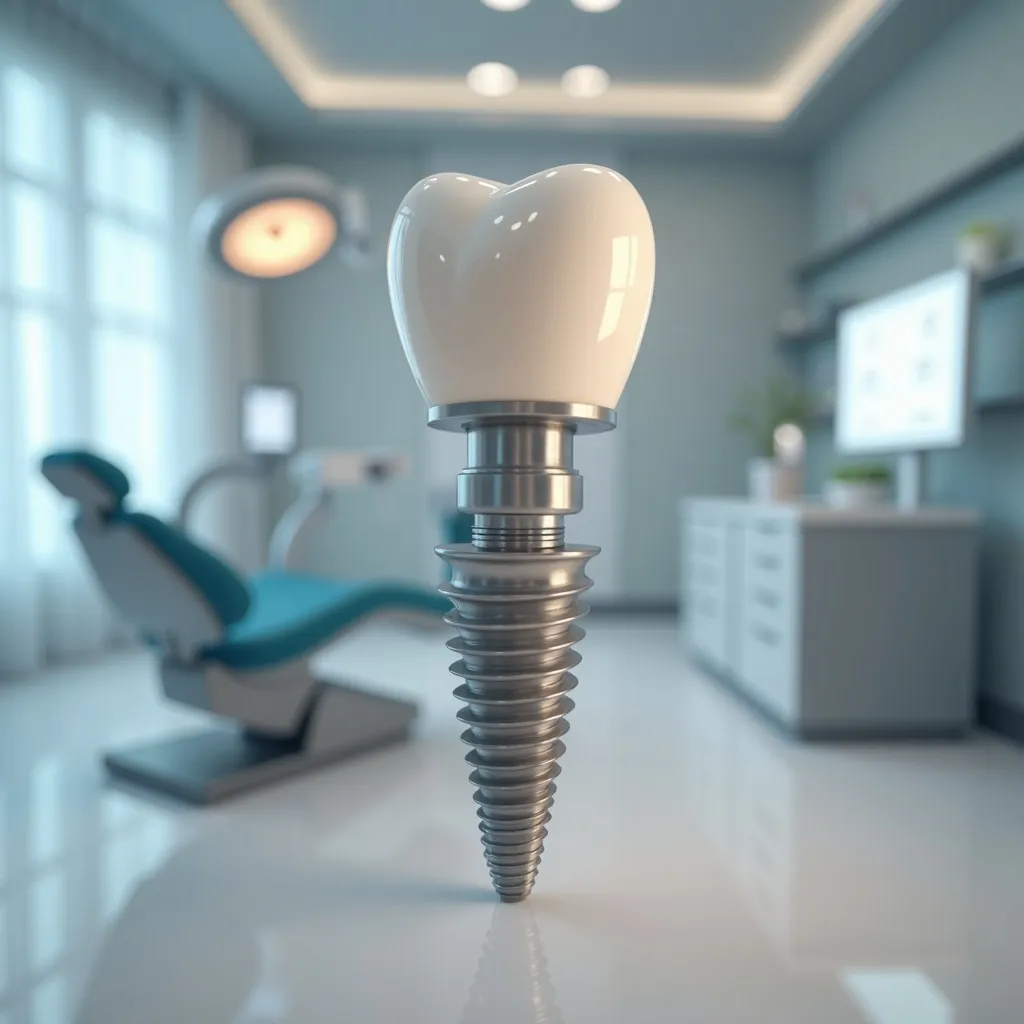
Dental implants serve as a state-of-the-art solution for people aiming to restore their smiles and oral health. Full set dental implants contain three essential components: the implant fixture, the abutment, and the prosthetic crown. The implant fixture is a titanium post placed surgically into the jawbone, acting as a root for the artificial tooth. The abutment attaches the implant fixture to the prosthetic crown, giving stability and support. Lastly, the prosthetic crown is the exposed part of the implant, designed to mimic natural teeth in color and shape. Collectively, these elements work synergistically to restore the look and performance of natural teeth, allowing patients to regain confidence and enhance their quality of life.
Surgical Positioning Technique
The surgical insertion procedure is an essential part in restoring a patient's smile and oral health. This operation usually starts with a thorough assessment and imaging to check bone mass and the overall condition of the mouth. Once confirmed, the oral surgeon places titanium implants into the jawbone, which function as artificial tooth roots. After the implants are correctly positioned, a healing period takes place, allowing the bone to integrate with the implants. After healing is done, abutments are attached, and personally crafted crowns are fitted to ensure a natural appearance. This procedure not only boosts aesthetics but also enhances biting efficiency, contributing to overall dental health. Patients often gain increased confidence from their restored smile.
What to Anticipate During the Implant Surgery
Evaluating dental implants, patients can expect a well-structured procedure that unfolds in multiple stages. Initially, a thorough assessment, including imaging, helps discover details on establish the suitability for implants. Once cleared, the procedure typically begins with anesthesia to guarantee comfort. The dental professional then makes an incision in the gum to expose the jawbone, where the implant will be placed.
A titanium post is placed into the bone, serving as the synthetic root of the new tooth. The site is then sutured closed, allowing for healing and osseointegration, where the bone fuses with the implant. This process can take a few months. After healing, an abutment is secured, followed by the placement of a custom-made crown. Throughout this journey, effective communication with the dental team is vital to address any concerns and guarantee a smooth experience, ultimately leading to a restored smile and renewed confidence.
After-Procedure Maintenance for Your New Smile
Once dental implants are installed, proper post-procedure care is essential for long-term success. People must continue their dental hygiene regimen, adhere to dietary guidelines, and book regular dental check-ups. These measures will aid in the health and persistence of their restored smile.
Keep up with Oral Hygiene Practices
Maintaining an effective oral hygiene routine is critical for individuals who have recently undergone dental implant procedures. Proper care helps guarantee the longevity of implants and stops complications such as infections or peri-implantitis. Patients should brush their teeth at least twice daily using a gentle toothbrush and non-abrasive toothpaste. Flossing remains just as important; using appropriate dental tools can assist in accessing areas around the implants. Regular rinsing with an germ-fighting mouthwash can further reduce bacteria and aid healing. It is advisable for patients to arrange follow-up appointments with their dentist to monitor the health of their implants. By following a careful oral hygiene routine, individuals can enjoy their restored smiles with confidence and maintain overall oral health.
Observe Nutritional Guidelines
Adhering to dietary guidelines is essential for people recovering from dental implant treatments. Initially, a soft diet is advised because it assists with healing and reduces discomfort. Foods including yogurt, mashed potatoes, and smoothies provide the necessary nutrients without putting pressure on the implants. Moreover, steering clear of firm, crunchy, or sticky foods is vital during recovery to avoid damaging the surgical site.
Hydration is also important; patients should drink plenty of water while avoiding caffeine and alcohol, which can hinder the healing process. Gradually incorporating solid foods as healing progresses guarantees the implants remain secure. Complying with these dietary guidelines not only promotes ideal healing but also maintains the longevity and effectiveness of the dental implants.
Regular oral check-ups assist maintain your teeth and prevent serious problems.
Regular dental check-ups are necessary for securing the long-term success of dental implants. These appointments let dental professionals observe the health of the gums and surrounding tissues, guaranteeing that the implants remain firmly anchored. During these visits, the dentist can spot any potential issues early, such as infection or bone loss, which could endanger the integrity of the implants. In addition, professional cleanings help clear plaque and tartar buildup that regular brushing might miss, fostering overall oral health. Patients are encouraged to maintain a routine of check-ups at least twice a year, as this proactive approach can considerably enhance the durability of the implants and contribute to a lasting, confident smile. Regular care is important for sustaining both aesthetics and function.
Full Set Dental Implants: How Extended Will They Persist?
Although many factors influence the longevity of full set dental implants, they are generally designed to last a lifetime with proper care. The strength of these implants is primarily credited to the substances used, such as titanium, which bonds well with the jawbone. Patient overall health, oral hygiene habits, and lifestyle choices, including smoking and diet, also play crucial parts in determining how long the implants will last.
Regular dental check-ups and cleanings are crucial for preserving the health of both the implants and surrounding gums. Proper oral hygiene, such as brushing and using floss, can prevent complications like infections or peri-implantitis.
Although implants can survive several decades, wear and tear may surface over time, arguably necessitating adjustments or new installations. A proactive approach to gum and tooth care and routine professional assessments can tremendously augment the durability and operational capacity of full set dental implants.
Typical Misunderstandings About Full Set Dental Implants
What misunderstandings persist regarding full set dental implants? Many people mistakenly believe that these implants are only for cosmetic purposes. In reality, full set dental implants also restore functionality, allowing patients to chew and speak normally. Another widespread misunderstanding is that the treatment is overly painful. While some discomfort is expected, advancements in anesthesia and techniques often reduce pain during and after surgery.
Additionally, individuals frequently think that full set dental implants are a one-size-fits-all solution. In truth, each care strategy is tailored to the patient's specific needs, taking into account factors like bone density and dental condition. Lastly, some presume that full set implants demand more maintenance than natural teeth. However, they actually need similar attention, such as regular dental visits and good dental hygiene habits. Resolving these false beliefs can help potential patients make well-informed choices about their dental health.
Frequently Requested Questions
Are Full Set Tooth Implants Appropriate for All People?
Complete tooth implants may not be appropriate for all people. Aspects such as skeletal structure, overall health, and individual preferences affect eligibility. A thorough consultation with a dentist is imperative to identify individual suitability.
How Much Do Full Set Dental Implants Usually Cost?
Full set implant teeth generally run between $20,000 and $50,000, contingent upon variables including location, dental professional skill, and material choices. Patients should connect with practitioners for individual quotes and feasible financing options.
Will Coverage Pay for Full Set Dental Implants?
Insurance protection for complete dental implant procedures varies by insurer and plan. Many policies may not pay for the entire cost, considering them optional. Individuals should contact their insurance companies for precise information concerning available coverage.
Can I resume normal eating After Getting Implants?
Following dental implant placement, individuals may need to restrict their diet to soft foods at first. Over time, they can gradually incorporate harder foods as recovery moves forward. Meeting with a dental professional is vital for personalized recommendations on dietary changes.
What Possible Risks Come With Dental Implant Surgery?
Dental implant surgery involves risks such as bacterial contamination, neural injury, implant failure, sinus issues, and anesthetic side effects. Thorough evaluation and compliance with post-surgery care instructions can help reduce these potential risks during the healing period.
Report this page